
No hay productos en el carrito.
Health Experts Warn of «Silent Epidemic» of Vitamin D Deficiency
Public health specialists have issued a new warning about what they call a global «silent epidemic»: Vitamin D deficiency. Despite being an essential nutrient that the human body can synthesize naturally through sunlight, modern lifestyle changes are causing alarming numbers of the population to fall short of minimum daily requirements.
The Fundamental Role of the «Sunshine Nutrient»
Vitamin D, often known as the sunshine vitamin, functions in the body almost like a hormone. Its benefits go far beyond what was traditionally believed:
- Bone Health: It is essential for the absorption of calcium and phosphorus in the gut, preventing diseases such as osteoporosis in adults and rickets in children.
- Immune System: Several recent studies have confirmed that adequate levels of Vitamin D improve the response of white blood cells, helping the body fight respiratory infections and reducing chronic inflammation.
- Mental and Cardiovascular Health: Emerging research suggests links between low levels of this nutrient and an increased risk of depression, chronic fatigue, and heart problems.
Why Are We Lacking Vitamin D?
Experts point out that the main culprit is the current lifestyle. We spend most of the day indoors, whether in offices, schools, or at home. Furthermore, the widespread—and necessary—use of sunscreen to prevent skin cancer blocks the UVB rays the skin needs to produce the vitamin.
«We are seeing patients with constant fatigue, muscle aches, and a weakened immune system, and in many cases, the root of the problem is a severe Vitamin D deficiency,» warned a medical community spokesperson.
Strategies to Combat the Deficiency
To reverse this trend, nutritionists and doctors recommend a three-pronged approach:
- Smart Sun Exposure: Exposing the face, arms, and legs to the sun for 10 to 15 minutes a day (preferably outside peak radiation hours and depending on skin tone) can be enough to maintain healthy levels.
- Dietary Modifications: Incorporating foods rich in Vitamin D, such as:
- Fatty fish (salmon, tuna, mackerel).
- Egg yolks.
- Beef liver.
- Fortified foods (milk, cereals, and orange juice).
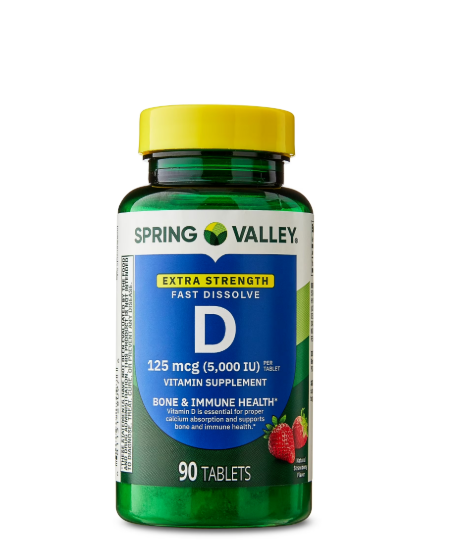
- Scientific Supplementation: For those living in latitudes with little sun or who cannot modify their diet, Vitamin D3 supplements are a highly effective tool.
Final recommendation: Before starting any supplement regimen, health professionals urge the public to get a simple blood test (25-hydroxyvitamin D test) to determine their current levels and receive a personalized dose from their doctor.